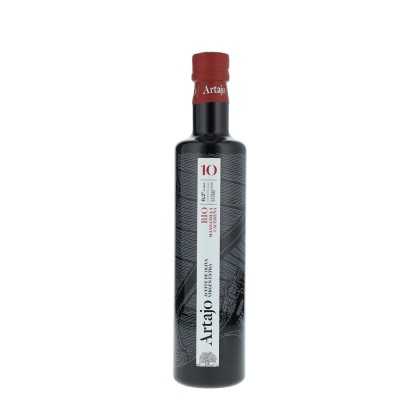
Manzanilla olive oil, Spanish tradition and character
Manzanilla is one of the most recognisable names in Spanish olive growing. The name encompasses different varieties and ecotypes, including Manzanilla de Sevilla and other Manzanilla olives grown in different parts of Spain. Its name is traditionally associated with the rounded shape of the fruit, which resembles a small apple.
Although the Manzanilla olive is particularly well known for its importance as a table olive, it can also be used to produce Manzanilla extra virgin olive oil. When harvested at the right stage of ripeness and carefully processed, these olives can produce oils with an appealing aromatic profile and a fine balance of freshness, fruitiness, bitterness and pungency.
The final profile can vary considerably depending on the specific Manzanilla variety, growing region, degree of ripeness and production methods used at the mill. This makes tasting different Manzanilla EVOOs an excellent way to discover the different expressions of a family of olives deeply rooted in Spanish olive-growing culture.
What is Manzanilla olive oil like?
Manzanilla olive oils can offer a fresh and aromatic profile, particularly when produced from olives harvested at the beginning of the season. On the nose and palate, green and vegetal notes may appear alongside hints of fresh grass, olive leaf, green fruit or almond, although the precise nuances depend on origin and harvest time.
On the palate, a good Manzanilla extra virgin olive oil can combine a pleasant initial sensation with varying levels of bitterness and pungency. Early-harvest oils tend to display a greener and more intense character, while oils made from riper fruit may offer smoother and rounder profiles.
This combination makes Manzanilla particularly interesting for anyone looking for a balanced and versatile extra virgin olive oil that can add personality to a dish without necessarily overpowering the flavours of the other ingredients.
Aroma and flavour of Manzanilla EVOO
One of the best ways to discover a Manzanilla olive oil is to taste it on its own first. A small amount allows its aromas to be appreciated more clearly and reveals how the oil develops on the palate. Depending on the oil, fresh, vegetal and fruity sensations may be followed by mild or medium bitterness and a peppery sensation that gradually develops in the throat.
In high-quality EVOOs, these characteristics come together in a balanced whole. The result can be an expressive yet approachable olive oil with a distinctly Mediterranean identity and a profile particularly suited to enjoying raw.
As with any high-quality extra virgin olive oil, it should be stored away from light and heat to preserve its aromas and qualities, and the container should always be properly closed after use.
How to use Manzanilla olive oil in the kitchen
Versatility is one of the great attractions of Manzanilla olive oil. Used raw, it is particularly enjoyable on toast, salads, tomatoes, vegetables and Mediterranean dishes. A few drops can also add freshness and complexity to fish, cheeses, vegetable soups and a wide variety of appetisers.
Greener and more intense Manzanilla oils can add character to salads, roasted vegetables, pulses or fish dishes, while milder profiles can be excellent for sauces, emulsions and recipes where a more balanced olive oil flavour is desired.
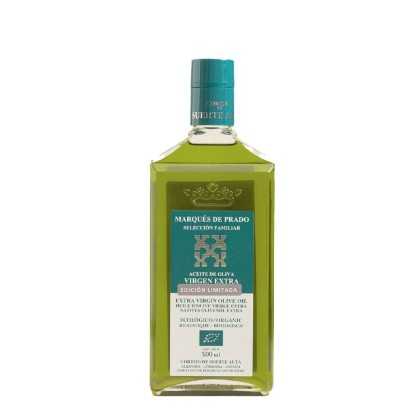
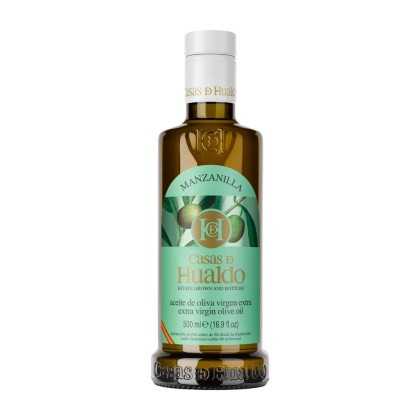
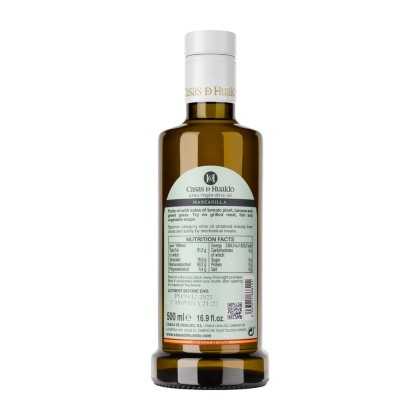
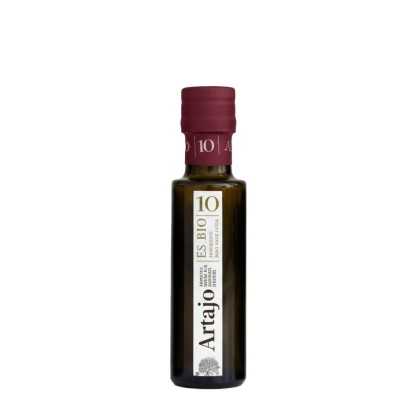
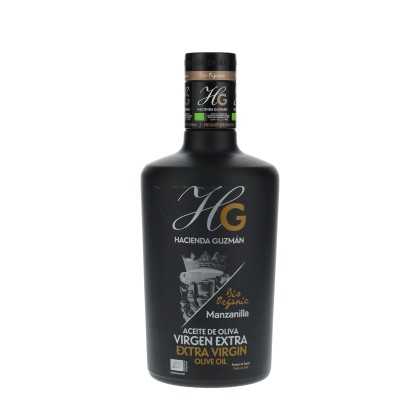
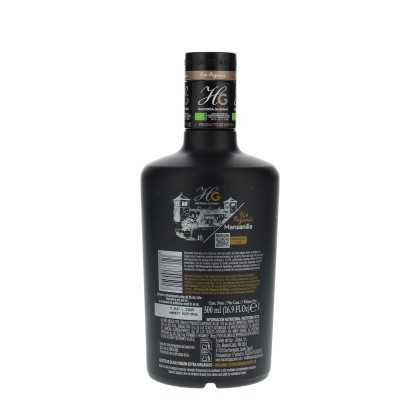
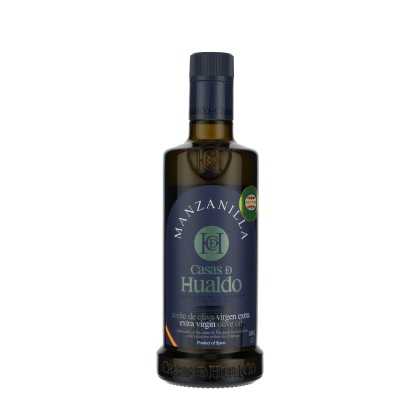
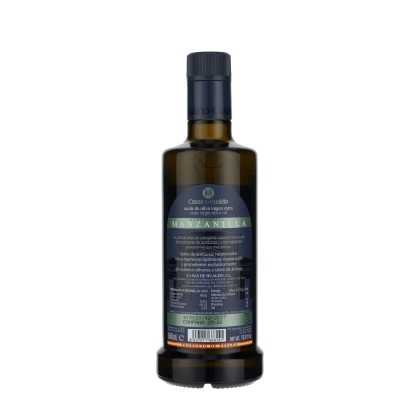
In our selection you will find premium Manzanilla olive oils produced in Spain by different producers and olive mills. Explore their different profiles and discover how origin, harvest and production can transform the same family of olives into EVOOs with distinctly different personalities.